
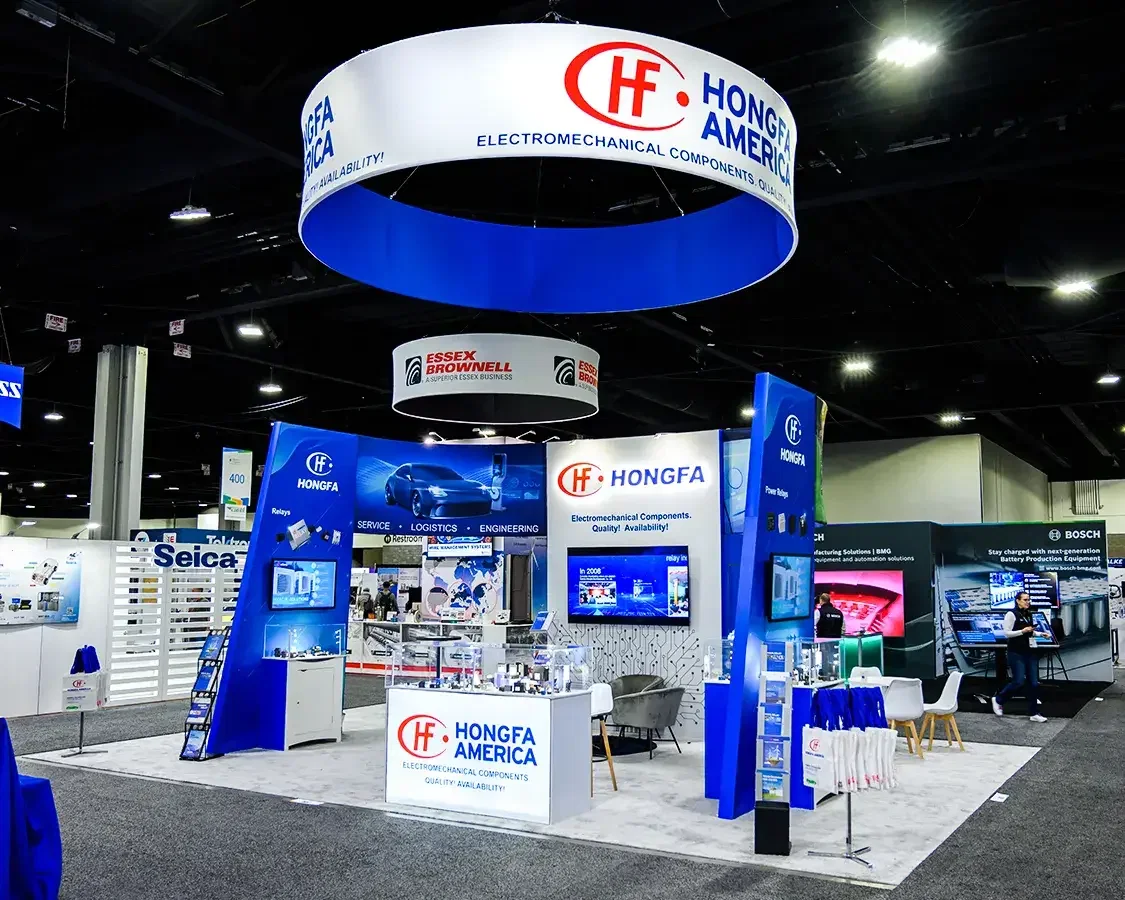
Automotive Trade Show Services

Automotive Trade Show Services planning in Dallas-Fort Worth, covering venue fit, demos, hospitality, staffing, and event execution.

01

How Automotive Trade Show Services buyers behave

Automotive Trade Show Services events are shaped by OEM teams, suppliers, sponsors, and experiential marketers. That audience changes what the environment needs to accomplish. Some sectors reward patient explanation and private conversation. Others reward spectacle, speed, trial, or technical proof on demand. Understanding buyer behavior early gives the team a much better chance of matching booth layout, staffing, and hospitality to the conversations that actually drive outcomes.

That matters because sector expectations can raise or lower the value of the same physical choice. A highly visible space may work perfectly for one audience and feel shallow for another. A quieter meeting-led booth may look conservative in one sector and highly credible in another. Industry planning reduces the chance of building an event around the wrong signals. The sector emphasis is large-format presence, durable surfaces, and controlled attendee movement around heavy assets.

  • Audience: OEM teams, suppliers, sponsors, and experiential marketers
  • Emphasis: large-format presence, durable surfaces, and controlled attendee movement around heavy assets
  • Venue fit: large convention halls and sponsor environments
  • Risk: vehicle or hardware logistics get solved after the booth concept is already fixed
02

What the environment must support

Large-format presence, durable surfaces, and controlled attendee movement around heavy assets Those needs should drive the physical and operational plan. A sector that depends on trust and detailed explanation may need stronger meeting space, calmer staff flow, and cleaner product presentation. A sector built around demos or sampling may need more throughput, faster replenishment, stronger technical backup, or tighter sanitation and queue control. Industry fit becomes useful when it tells the team which of those needs deserves the most protection. The best venue fit is large convention halls and sponsor environments, with risk centered on how vehicle or hardware logistics get solved after the booth concept is already fixed.

The same principle applies to staffing. Some sectors need hosts who can move visitors quickly. Others need subject-matter experts, technical operators, or hospitality-oriented teams who can keep meetings productive and on schedule. The more honestly the sector is read, the better the staffing budget and the better the event feels to the people walking into it. The commercial outcome is safer setup, cleaner demos, and stronger visibility, so the booth and service plan should support that behavior.

03

Venue fit across the Dallas market

Large convention halls and sponsor environments The venue decision should support sector behavior, not fight it. Downtown halls may be right for broad industry visibility and large-floor traffic. Hotels and resort campuses may be better for sectors that rely on executive meetings, controlled hospitality, and longer dwell time. Stadium districts or public-facing venues may make more sense for sponsor-heavy or entertainment-driven sectors. Dallas-Fort Worth offers all of those choices, but not every choice suits every industry equally well. Automotive Trade Show Services is shaped by OEM teams, suppliers, sponsors, and experiential marketers.

When venue fit follows sector reality, the rest of the plan becomes easier to defend. Freight and labor can be matched to the actual venue posture, the booth can be designed around real audience movement, and stakeholders can see why the selected building strengthens the event rather than simply providing square footage. The sector emphasis is large-format presence, durable surfaces, and controlled attendee movement around heavy assets.

04

Demos, meetings, and hospitality pressure

Sector planning also reveals where the event is likely to be tested. Technical demos may need stronger AV and power planning. Healthcare, aerospace, and executive-led programs may need private meeting support and more deliberate guest management. Food, beverage, beauty, and sports-oriented programs may put more pressure on throughput, guest handling, and fast restocking. Those are not surface differences. They are the reasons one industry program can feel composed while another feels constantly one step behind. The best venue fit is large convention halls and sponsor environments, with risk centered on how vehicle or hardware logistics get solved after the booth concept is already fixed.

Hospitality deserves special attention because many industry events are won or lost in the quality of side conversations. Lounge areas, sponsor receptions, tasting moments, and executive hosting all depend on staffing, replenishment, furniture logic, and venue support that are easy to overlook during early creative discussions. Industry planning brings those needs into the conversation before the floor plan hardens. The commercial outcome is safer setup, cleaner demos, and stronger visibility, so the booth and service plan should support that behavior.

05

Cost, risk, and post-show value

Vehicle or hardware logistics get solved after the booth concept is already fixed Cost follows that risk. If the event needs specialized labor, technical redundancy, stronger hospitality, or a more disciplined closeout plan to protect reusable assets, the budget should acknowledge it early. Teams that wait until final production to face sector-specific needs often discover them through rush charges, labor creep, or a booth that cannot support the conversations it was built to attract. Automotive Trade Show Services is shaped by OEM teams, suppliers, sponsors, and experiential marketers.

safer setup, cleaner demos, and stronger visibility The post-show value is better as well. A sector-specific plan gives clearer notes on what buyers responded to, what demo or meeting needs should change next time, and how the booth or service package should be refreshed for the next date. Over multiple events, that insight becomes a real commercial advantage. The sector emphasis is large-format presence, durable surfaces, and controlled attendee movement around heavy assets.

06

Services that usually matter most

Most industry programs rely on a blend of services rather than one isolated answer. Depending on the audience and venue, the event may need stronger project management, freight planning, AV and power support, installation leadership, sponsor handling, warehousing, or a more disciplined strike plan. Industry context helps the team invest in the workstreams most likely to protect the business result instead of spreading effort evenly across tasks with very different stakes. The best venue fit is large convention halls and sponsor environments, with risk centered on how vehicle or hardware logistics get solved after the booth concept is already fixed.

That also improves internal alignment. Sales teams can explain why the event is built a certain way, operations can see where the floor will be tested hardest, and finance teams can connect the spend to audience behavior instead of broad branding language. The result is a more coherent event plan and fewer debates once production starts moving. The commercial outcome is safer setup, cleaner demos, and stronger visibility, so the booth and service plan should support that behavior.

07

What to confirm next

The next useful step is to clarify the audience mix, the kind of conversations the booth must support, the likely venue model, and the operational failure that would hurt the most if it happened live. Those answers usually make the booth strategy, service mix, and staffing plan much easier to define. Automotive Trade Show Services is shaped by OEM teams, suppliers, sponsors, and experiential marketers.

Once those pieces are visible, the industry view has done its job. It has translated sector behavior into venue, labor, logistics, and hospitality choices the rest of the event can follow with far more confidence. The sector emphasis is large-format presence, durable surfaces, and controlled attendee movement around heavy assets.