
Venue Reality First
Every plan starts with the actual building, dock rhythm, room mix, service deadlines, and people who will control the event week.
About
Trade Show Logistics of Dallas focuses on the operating chain that makes an event usable before the audience ever sees it: freight timing, venue coordination, labor sequencing, utility orders, booth readiness, and calm field supervision.
Dallas-Fort Worth is not one simple market. Downtown convention halls, Las Colinas meeting campuses, Arlington sponsor environments, Frisco executive programs, and hotel-based conferences all move differently. The plan has to respect that from the beginning.
Start A Plan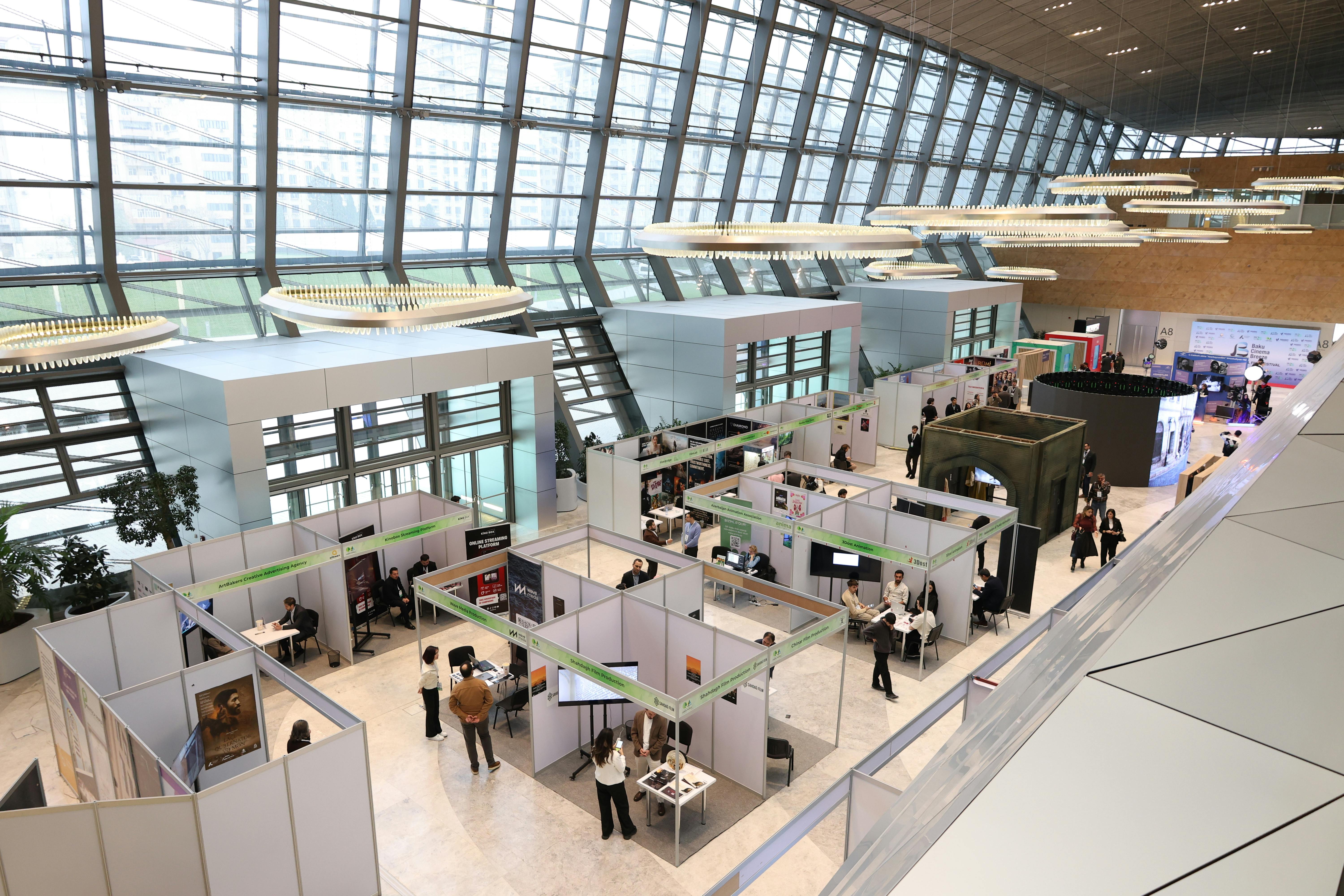
Every plan starts with the actual building, dock rhythm, room mix, service deadlines, and people who will control the event week.
Freight, labor, utilities, graphics, storage, and supervision stay connected so the team can see what depends on what.
Once move-in starts, the job is active control: fast decisions, clear handoffs, clean punch lists, and a steady path to opening.
How We Work
Most show problems do not begin with the booth concept. They begin when approvals, freight, labor, power, graphics, storage, and field supervision are being handled as separate conversations. The stronger approach is to keep those pieces visible together before the expensive week begins.
That clarity helps buyers make better tradeoffs. A design choice can affect freight weight. A room layout can change labor needs. A sponsor request can affect power, internet, signage, and timing. When those dependencies are known early, the event has more room to stay composed.
Operating Rhythm
Clients should know what is happening, who owns the next handoff, and what needs attention before it becomes expensive. That is the practical value of logistics-led event execution.