
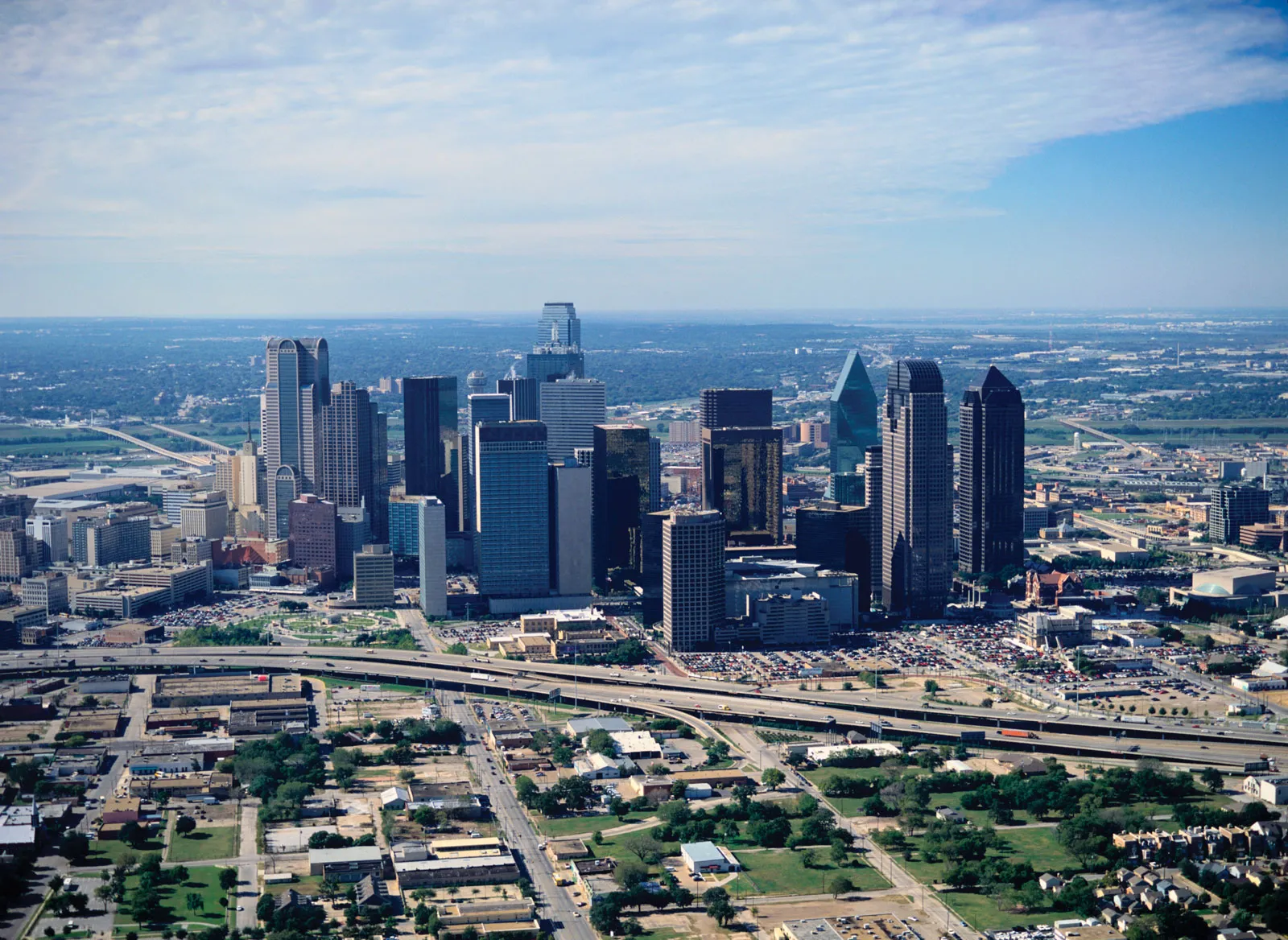
Dallas, TX

Trade show logistics, venue coordination, freight planning, labor strategy, and field support in Dallas, TX and the surrounding DFW corridor.

01

How Dallas fits inside the DFW market

Dallas influences the operating plan because Dallas-Fort Worth is broad enough that venue assumptions do not travel cleanly from one district to another. Some cities pull most demand from convention halls and attached hotels. Others lean harder on executive meetings, campus-style hospitality, sports traffic, or airport convenience. Knowing that difference early keeps the scope honest and makes it easier to assign the right mix of labor, warehouse support, technical prep, and floor supervision. For Dallas, nearby venue patterns such as Kay Bailey Hutchison Convention Center Dallas and Omni Dallas Hotel shape freight timing, hotel flow, and crew movement.

That matters to buyers because location decisions affect more than convenience. They affect truck routing, hotel blocks, sponsor expectations, attendee travel patterns, and how quickly the team can recover if anything changes in the final week. A city summary earns its value when it turns those practical questions into something the team can use during budgeting and venue selection. Dallas planning should account for downtown dallas concentrates convention-center demand, attached hotel overflow, sponsor programs, and dock-day pressure that rewards tight trucking windows and disciplined field supervision.

  • Cluster: Downtown Dallas convention corridor
  • Representative venues: Kay Bailey Hutchison Convention Center Dallas; Omni Dallas Hotel; Hyatt Regency Dallas; Fairmont Dallas; Sheraton Dallas Hotel; Fashion Industry Gallery
  • Planning value: venue fit, access, staffing, and freight timing
  • Best used early, before venue and labor choices are locked
02

Venue mix, hotels, and access

The local venue mix around Dallas drives what kind of support makes sense. Areas with convention-center density usually need sharper dock planning, material handling control, and exhibitor communication. Areas built around hotels and resorts lean more toward room turns, hospitality, registration, speaker movement, and coordinated technical support across several rooms. Districts with stadiums or public-facing venues often place more pressure on short install windows, sponsor visibility, and guest flow. In Dallas, the city choice affects where assets stage, when trucks release, and how much slack the field team can protect.

Hotel inventory also changes the work. Nearby rooms affect where sponsors host, where executives stay, how attendees move at the beginning and end of each day, and whether overflow activity needs to be treated as part of the main schedule. Buyers who understand that relationship early are better prepared to build a staffing plan that matches how the district actually functions instead of how it looks on a map. Dallas belongs to the downtown dallas convention corridor, so the plan should reflect that corridor instead of a generic DFW route.

03

Freight, labor, and district rhythm

Freight planning changes when the project sits in Dallas. Drive times, warehouse proximity, hotel loading rules, and local congestion all influence when trucks should dispatch and how much slack the team can afford. In some corridors, receiving windows are easier to manage but labor starts are tighter. In others, hotel access looks convenient until guest traffic or event stacking makes equipment movement slower than expected. Those are not minor details. They change how the entire day feels on site. For Dallas, nearby venue patterns such as Kay Bailey Hutchison Convention Center Dallas and Omni Dallas Hotel shape freight timing, hotel flow, and crew movement.

Labor rhythm changes as well. A downtown convention team may need a different supervisor structure than a resort meeting crew or a sponsor buildout inside an entertainment district. The right city summary helps buyers protect the install schedule by matching labor depth and call times to the district instead of copying a plan from another part of the metro. Dallas planning should account for downtown dallas concentrates convention-center demand, attached hotel overflow, sponsor programs, and dock-day pressure that rewards tight trucking windows and disciplined field supervision.

04

Why the city choice changes budgets

Location choices influence line items quickly. Travel time affects labor cost. Venue style affects service orders. Access rules affect material handling exposure. Nearby storage affects how much same-week movement is required. Hotel adjacency affects hospitality and staffing demands. A city that seems interchangeable at first can produce very different costs once the details are priced honestly, especially if the event also needs AV, sponsor support, registration, or repeated room resets. In Dallas, the city choice affects where assets stage, when trucks release, and how much slack the field team can protect.

That is why location decisions work best when they happen alongside booth strategy and service planning. If the team chooses the city first and only studies the practical implications later, the budget often absorbs preventable surprises. Early location context gives decision-makers a more realistic basis for choosing where the event belongs and what kind of support the market will require. Dallas belongs to the downtown dallas convention corridor, so the plan should reflect that corridor instead of a generic DFW route.

05

Stakeholder coordination in this corridor

Dallas also shapes who needs to stay aligned. Convention-center work tends to involve show management, decorators, labor leads, and exhibitor-facing operations. Hotel-heavy work may include catering, banquets, in-house AV, guest services, and room-block stakeholders. Public-facing or stadium-driven programs add sponsor contacts, security, rights-holders, and crowd-management concerns. The strongest plans surface those players before the event week rather than discovering them one request at a time. For Dallas, nearby venue patterns such as Kay Bailey Hutchison Convention Center Dallas and Omni Dallas Hotel shape freight timing, hotel flow, and crew movement.

Clear coordination protects outcomes because each stakeholder affects timing. If one approval arrives late, another service order may slide behind it. If one venue manager expects a different load-in sequence, labor and freight plans may need adjustment. City context helps the team predict those relationships sooner and build a plan that respects how the district actually operates. Dallas planning should account for downtown dallas concentrates convention-center demand, attached hotel overflow, sponsor programs, and dock-day pressure that rewards tight trucking windows and disciplined field supervision.

06

Storage, reuse, and regional movement

Many Dallas exhibitors do not stop after one date. Assets may need to move from downtown to Irving, from Arlington to Frisco, or from a Grapevine resort to another city altogether. That makes local storage, repack standards, and case labeling more important than they look in a one-show budget. A strong city plan considers whether equipment should remain nearby between dates, whether components are better refreshed locally, and how quickly the next venue can receive the same materials. In Dallas, the city choice affects where assets stage, when trucks release, and how much slack the field team can protect.

This is also where location planning becomes operationally valuable for recurring programs. Teams that know how a city fits into the wider DFW circuit usually make better decisions about warehouse placement, truck release timing, and whether the same crew structure makes sense at the next stop. That continuity reduces waste and lowers the chance of beginning the next build with incomplete information. Dallas belongs to the downtown dallas convention corridor, so the plan should reflect that corridor instead of a generic DFW route.

07

What to lock before booking

Before the city choice is treated as final, it is worth confirming the likely venue type, the part of the district guests will actually use, whether the schedule includes hotel or sponsor overflow nearby, and what freight path is most realistic from the warehouse. That turns a city decision into a delivery decision instead of a branding exercise. For Dallas, nearby venue patterns such as Kay Bailey Hutchison Convention Center Dallas and Omni Dallas Hotel shape freight timing, hotel flow, and crew movement.

Once those answers are visible, the team can compare venues, service scopes, and staffing depth with much more confidence. The city summary has then done its job: it has made the market practical and given the buyer a better base for the decisions that follow. Dallas planning should account for downtown dallas concentrates convention-center demand, attached hotel overflow, sponsor programs, and dock-day pressure that rewards tight trucking windows and disciplined field supervision.