
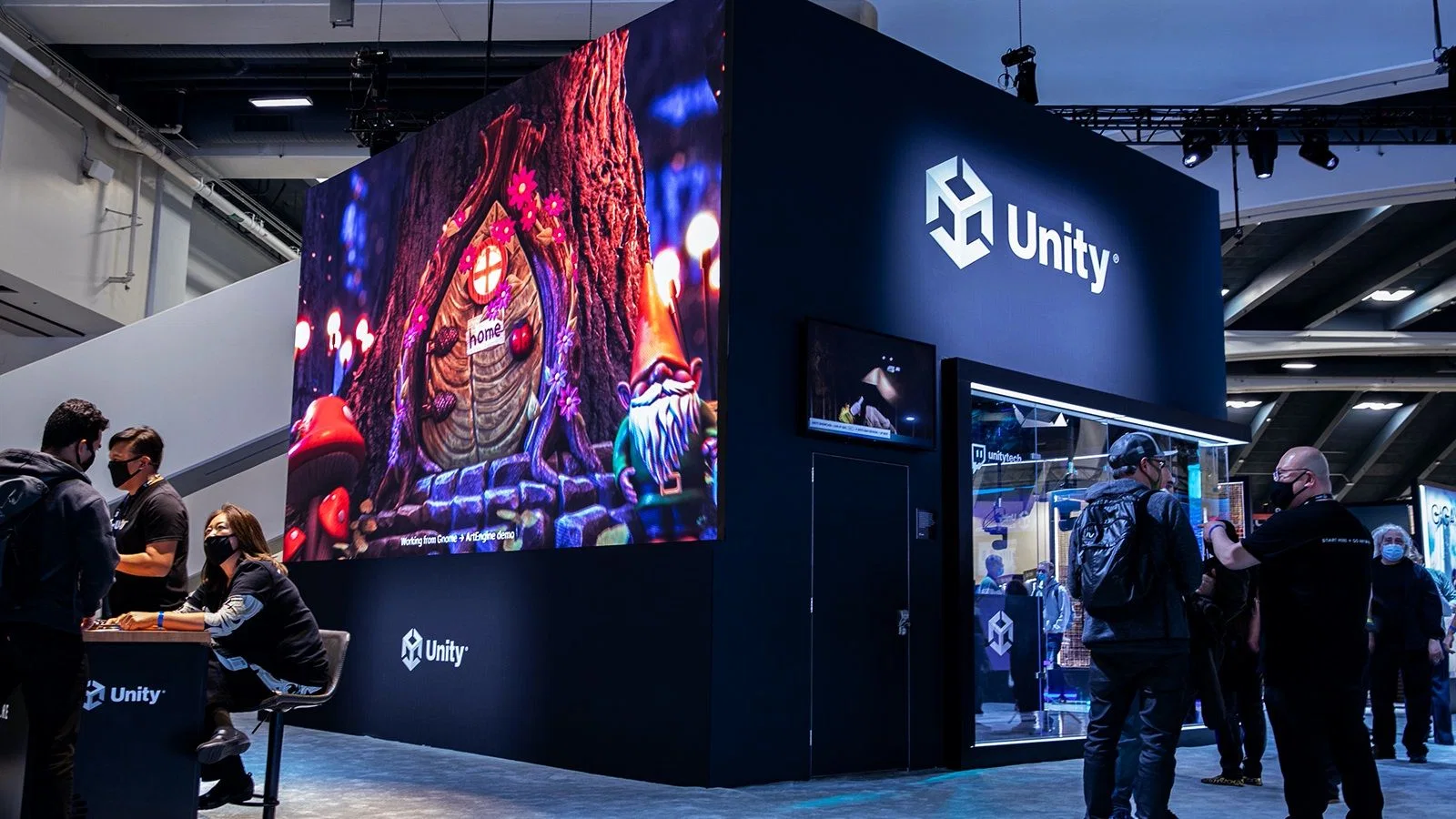
User Conference Services

User Conference Services planning in Dallas-Fort Worth, covering venue fit, labor, freight timing, sponsor coordination, and field execution.

01

What User Conference Services asks the team to protect

User Conference Services is driven by product marketers, customer-success teams, partners, and executive speakers, which means the event succeeds or fails around the experience those people actually need. Some formats are judged by registration flow and breakout timing. Others are judged by demo reliability, sponsor traffic, reveal control, or how quickly attendees can move through branded moments without friction. The practical value of naming the event type early is that it tells the team which moments cannot slip.

That clarity also improves scope decisions. Instead of buying a generic package, the team can focus on the services most likely to matter: stronger technical support, deeper field leadership, more hotel-style coordination, better freight control, or a faster sponsor changeover strategy. Good event planning starts with the outcome the audience should feel and then works backward into the logistics that make that outcome possible. The event priority is education flow, networking, demo reliability, and sponsor integration.

  • Audience: product marketers, customer-success teams, partners, and executive speakers
  • Priority: education flow, networking, demo reliability, and sponsor integration
  • Venue fit: premium hotels and campus-style event environments
  • Main risk: content ambition outruns the room-turn and technical plan
02

Scheduling, labor, and technical pressure

Every event type places pressure on different hours of the schedule. A conference may demand clean registration, stage rehearsal, breakout resets, and speaker support from the first morning. A trade show may place more stress on dock timing, booth readiness, and exhibitor handoff. A roadshow or activation may compress setup, guest interaction, and strike into a very short window. Those differences should change how labor is booked, how freight is sequenced, and where the supervisor spends time on the floor. The best venue pattern is premium hotels and campus-style event environments, with risk centered on how content ambition outruns the room-turn and technical plan.

Technical planning changes with the format as well. Some programs need heavy AV, cueing, and playback discipline. Others rely more on dependable booth power, network access, lighting control, or a registration environment that can absorb volume without confusion. The earlier those requirements are tied to the event type, the easier it is to avoid buying speed and recovery at premium rates later. The target outcome is strong session flow with fewer technical interruptions, so the operating plan should protect that moment first.

03

Venue fit across Dallas-Fort Worth

Premium hotels and campus-style event environments Even inside that broad fit, the district matters. Downtown convention halls, Irving and Grapevine conference campuses, Arlington entertainment venues, and Frisco executive properties all bring different guest expectations and different service structures. Event type helps narrow which part of the metro is most likely to support the business outcome without forcing the team into awkward workarounds later. For user conference services, the audience is product marketers, customer-success teams, partners, and executive speakers.

That is especially valuable when venue discussions are still open. Buyers can compare whether the event needs broad expo capacity, controlled hotel movement, premium hospitality, or a more public-facing activation posture. The format then stops being a label and becomes a filter for venue selection, budget, and staffing. The event priority is education flow, networking, demo reliability, and sponsor integration.

04

Sponsor coordination, staffing, and audience pace

Many event types break down when sponsor expectations are treated separately from the main production schedule. Sponsor activations, meeting spaces, branded zones, and hospitality elements need labor, utilities, graphics, furniture, and technical support that must be timed alongside the main program. If those items are left until late, the crew is forced to choose between protecting sponsor commitments and protecting the core event schedule. The best venue pattern is premium hotels and campus-style event environments, with risk centered on how content ambition outruns the room-turn and technical plan.

Audience pace matters too. High-traffic programs need clearer wayfinding, tighter queue management, stronger staff training, and a faster response path for technical or guest-service issues. Smaller executive formats may carry lower volume but higher visibility, which means the margin for visible disorder is even smaller. Event type gives the team a better read on which version of pressure they are preparing for. The target outcome is strong session flow with fewer technical interruptions, so the operating plan should protect that moment first.

05

Why budget and risk change by format

Content ambition outruns the room-turn and technical plan Risk changes by format because some events can absorb a small delay while others cannot. If a keynote starts late, if a reveal misses its cue, if registration backs up, or if an exhibitor area is unfinished when doors open, the audience feels the failure immediately. The budget should reflect that exposure through the right amount of supervision, prep time, and contingency planning. For user conference services, the audience is product marketers, customer-success teams, partners, and executive speakers.

That does not mean every event needs maximum production. It means the budget should match the moments that truly matter. Event type helps teams spend more intelligently by putting money behind the parts of the week that would be hardest to repair under pressure. The event priority is education flow, networking, demo reliability, and sponsor integration.

06

How related services come into view

Most formats need a coordinated service stack rather than one isolated answer. The event may require venue communication, booth logistics, general session production, labor planning, shipping, storage, registration support, or strike oversight depending on scale and audience. Once the event format is clear, buyers can prioritize those services in a way that reflects the actual week ahead. The best venue pattern is premium hotels and campus-style event environments, with risk centered on how content ambition outruns the room-turn and technical plan.

That improves internal alignment. Marketing can understand what the environment needs to feel like, operations can understand which deadlines matter most, and finance can understand why certain workstreams deserve more protection than others. The team stops debating broad descriptions and starts making decisions around real operating needs. The target outcome is strong session flow with fewer technical interruptions, so the operating plan should protect that moment first.

07

What to confirm next

The next useful step is to lock the likely venue model, attendance or exhibitor count, sponsor load, technical intensity, and the moment that would hurt most if it slipped. Those answers shape labor structure, setup order, freight timing, and the kind of supervision the week should carry. For user conference services, the audience is product marketers, customer-success teams, partners, and executive speakers.

Once those answers are visible, the event format has done its job. It has turned a broad program name into a practical set of priorities the rest of the team can support with more confidence and less guesswork. The event priority is education flow, networking, demo reliability, and sponsor integration.

That extra clarity is usually what improves the next vendor call, the next budget revision, and the next venue conversation, because everyone can see which hours of the week deserve the most protection before the schedule locks. The best venue pattern is premium hotels and campus-style event environments, with risk centered on how content ambition outruns the room-turn and technical plan.