
What Expo Services asks the team to protect
Expo Services is driven by organizers, exhibitors, buyers, and public-event crews, which means the event succeeds or fails around the experience those people actually need. Some formats are judged by registration flow and breakout timing. Others are judged by demo reliability, sponsor traffic, reveal control, or how quickly attendees can move through branded moments without friction. The practical value of naming the event type early is that it tells the team which moments cannot slip.
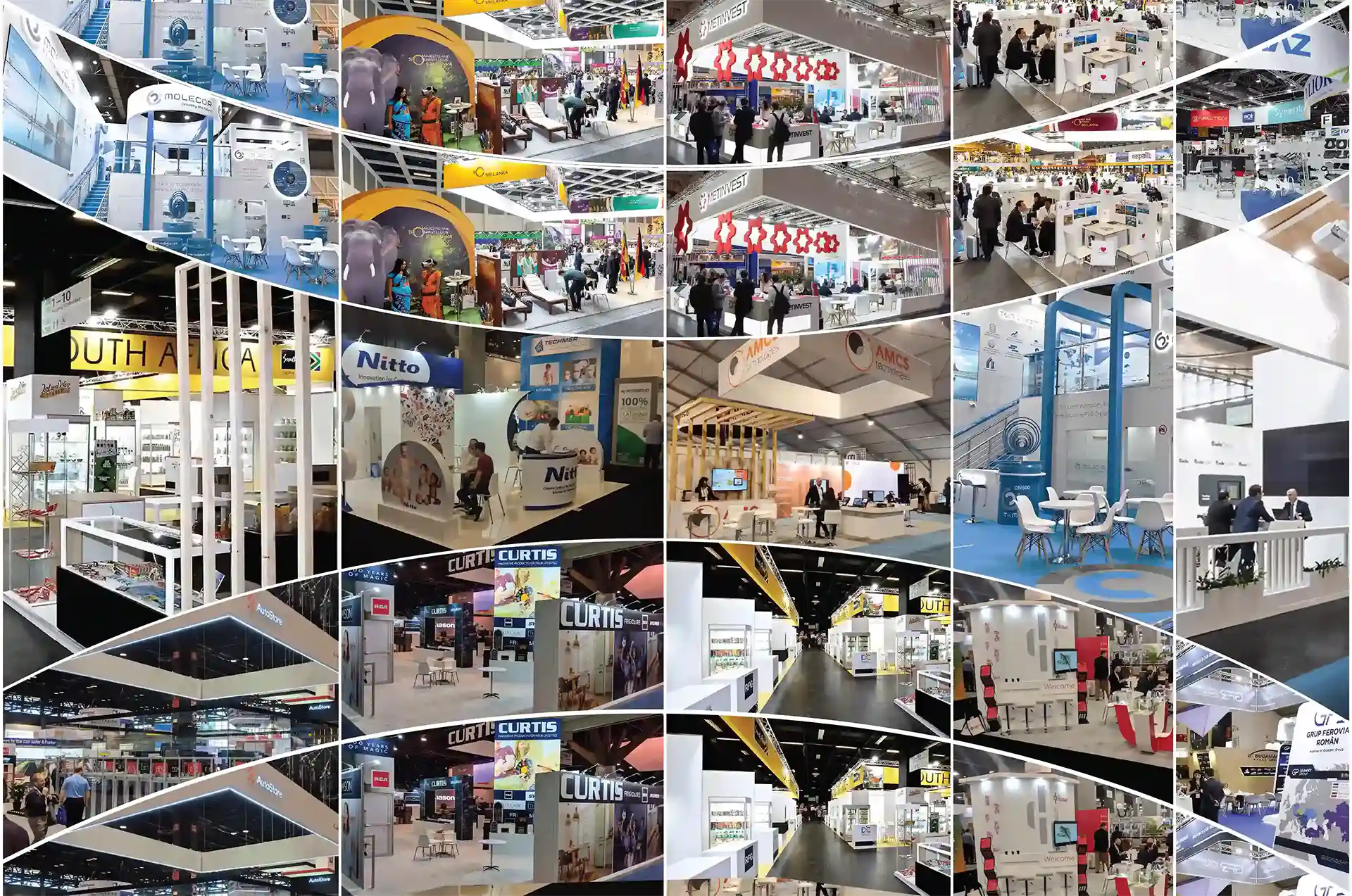
That clarity also improves scope decisions. Instead of buying a generic package, the team can focus on the services most likely to matter: stronger technical support, deeper field leadership, more hotel-style coordination, better freight control, or a faster sponsor changeover strategy. Good event planning starts with the outcome the audience should feel and then works backward into the logistics that make that outcome possible. The event priority is booth density, attendee navigation, material handling, and clear floor supervision.
- Audience: organizers, exhibitors, buyers, and public-event crews
- Priority: booth density, attendee navigation, material handling, and clear floor supervision
- Venue fit: expo halls and public-show venues
- Main risk: public traffic exposes gaps in freight planning and field control