
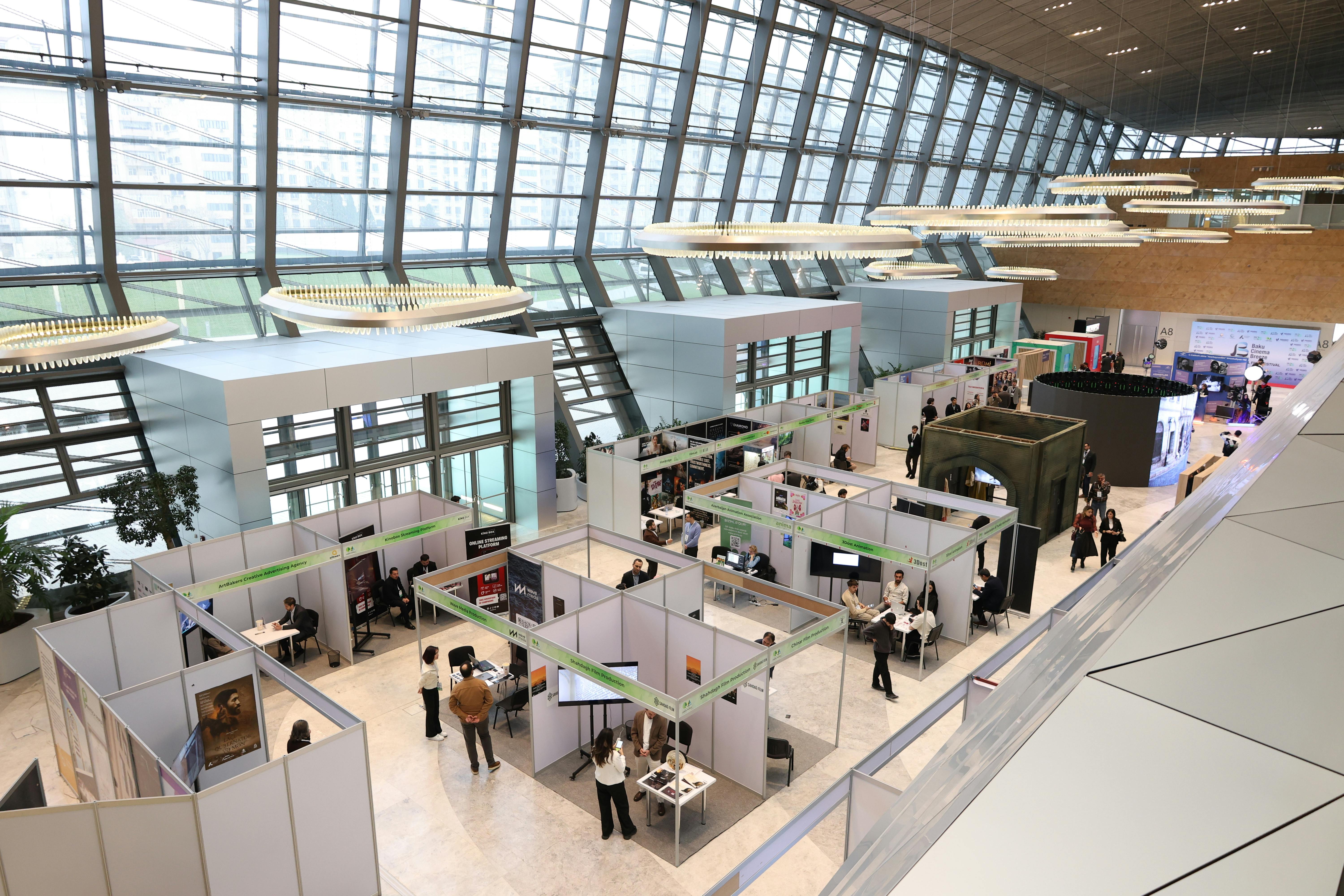
10x10 Trade Show Booths

Plan a 10x10 trade show booth in Dallas-Fort Worth: about 100 square feet of inline space, low freight and labor, sharp graphics, and a fast, budget-minded setup.

01

What 100 square feet really gives you

A 10x10 is a single inline space, usually 10 feet wide and 10 feet deep, sharing side walls with neighboring exhibitors. That means almost all of the brand impact comes from the back wall and whatever sits on the floor. Aisle visibility is front-facing only, so the graphic has to land in the few seconds an attendee spends walking past. In a busy hall like Kay Bailey Hutchison Convention Center Dallas, that window is short. This format fits standard inline rows at Kay Bailey Hutchison Convention Center Dallas and Dallas Market Hall, but the risk is that the small footprint is treated as an afterthought and arrives looking generic.

Because the space is tight, every element competes for room: a counter, a monitor, literature, and two staff members can fill a 10x10 quickly. The strongest 10x10 plans pick a primary job for the booth and let the layout serve it instead of trying to fit a full product catalog into a corner. The intended outcome is a tidy, affordable presence that still earns conversations, so reuse, utilities, and crew timing need to match the footprint.

  • Footprint: roughly 100 square feet, single inline space
  • Visibility: front aisle only, so the back wall carries the message
  • Best for: first-time exhibitors, regional shows, and focused single-product stories
  • Watch for: clutter, weak graphics, and underestimating setup
02

Freight, setup, and cost for a Dallas 10x10

Most 10x10 programs ship as one small crate or a few cases, which keeps material handling charges and labor hours low. That is a real budget advantage at venues where drayage and union labor add up. A clean 10x10 can often be installed quickly, but only if the graphics, hardware, and counter were checked before they left the warehouse. 10x10 Trade Show Booths depends on a roughly 100-square-foot inline corner of the floor where one strong message has to do all the work.

Cost control is the whole point of this size. When the booth is planned well, a Dallas exhibitor avoids the most common money leaks: rush graphics, replacement parts shipped overnight, and extra labor to fix a layout that did not account for the back-wall structure or the electrical drop location. The logistics pressure is a single small shipment, fast labor, and graphics that read instantly from the aisle.

03

Getting more from a small footprint

A 10x10 rewards discipline. A tall, well-lit back wall, a single clear value statement, and a tidy demo station usually outperform a busier booth in the same space. Lighting matters more than exhibitors expect, because a bright 10x10 reads as more professional than a dim one even at the same budget. Pairing the booth with a strong banner stand or a backlit panel can lift its presence without adding much freight. This format fits standard inline rows at Kay Bailey Hutchison Convention Center Dallas and Dallas Market Hall, but the risk is that the small footprint is treated as an afterthought and arrives looking generic.

If the program is likely to grow, it helps to choose a 10x10 system that can expand into a 10x20 later by reusing the same back-wall components. That keeps the first investment from becoming disposable and makes the next Dallas show easier to plan. The intended outcome is a tidy, affordable presence that still earns conversations, so reuse, utilities, and crew timing need to match the footprint.