
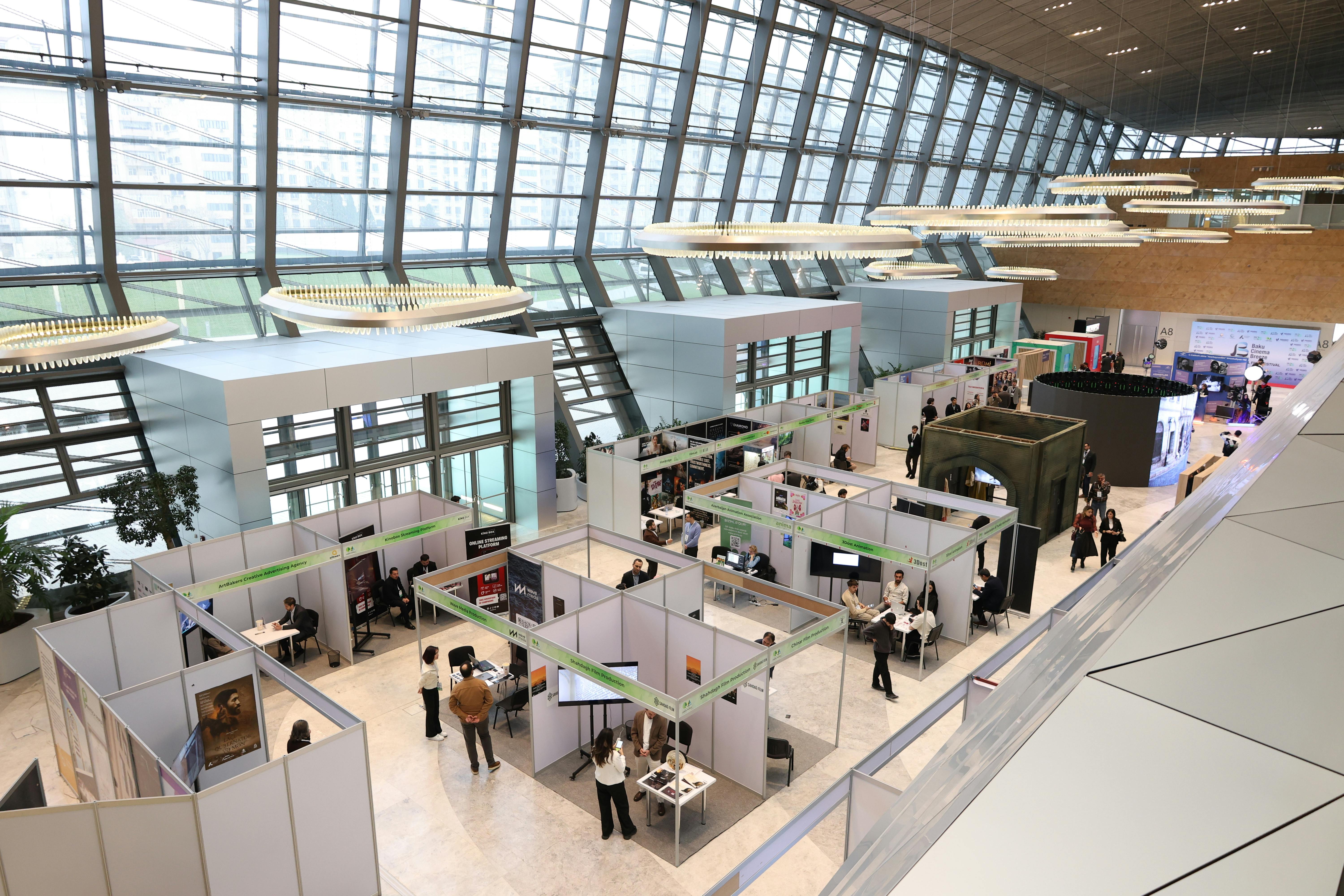
Expo Services

Expo Services for Dallas-Fort Worth events, covering venue approvals, freight timing, labor, graphics, utilities, and field execution.

01

Why Expo Services matters in this market

Dallas-Fort Worth pushes service scopes harder than many single-core markets because the venue mix is wide and the travel patterns are real. Downtown halls, conference hotels, stadium-adjacent districts, and resort campuses all change the way crews start, how shipments are received, and how quickly a small delay can expand into a floor-wide issue. A scope such as expo services earns its value by reducing those surprises and by giving buyers a clearer sense of where the event can drift if nobody leads that part of the work.

Expo Services is especially important when several stakeholders are touching the same outcome. Marketing may be focused on brand presence, operations may be focused on install and dismantle, procurement may be watching cost, and venue staff may only care whether paperwork and service orders are complete. A defined scope closes the gap between those viewpoints so the event can move forward with one schedule instead of several competing assumptions.

  • Primary buyer: marketing teams, producers, and procurement partners
  • Operational focus: scope ownership, venue alignment, vendor coordination, and schedule control from planning through strike
  • Venue fit: Dallas-Fort Worth convention centers, hotels, activations, roadshows, and sponsor environments
  • Main risk: the scope sounds complete in meetings but leaves critical timing decisions without an owner
02

Scheduling the work before show week

A strong schedule for expo services usually starts with the hard dates that cannot slip: target ship dates, advance warehouse cutoffs, utility deadlines, labor calls, room access windows, sponsor commitments, and final graphics approval. Once those dates are visible, the team can build the rest of the plan around real constraints rather than optimistic assumptions. That is often where budget control starts, because late decisions in Dallas venues can trigger premium labor, same-day freight corrections, or rushed technical work that costs far more than earlier coordination.

The schedule also needs a real decision path. When the floor plan changes, when a sponsor adds hardware, or when a venue partner requests a revised order, the team needs to know who signs off, who is told immediately, and how the change affects labor and material handling. Service scopes that ignore that chain tend to sound fine in early meetings and then become fragile once trucks are moving. For expo services, that means scope ownership, venue alignment, vendor coordination, and schedule control from planning through strike stays attached to the deadline calendar.

03

Venue approvals, labor, and material handling

Most service scopes get tested hardest where venue approvals meet labor and material handling. A concept can be approved creatively and still fail operationally if power has not been ordered, dock access is tighter than expected, approved partners have longer lead times, or crates arrive without a release plan tied to the venue schedule. Dallas-Fort Worth venues differ enough that these details need to be checked against the actual building, not just against a generic city assumption. Expo Services is usually bought by marketing teams, producers, and procurement partners, so the scope needs a clear owner before the dock opens.

That is why expo services needs to stay close to venue packets, exhibitor manuals, marshal-yard timing, and the realities of who receives freight in the building. Clean material handling is rarely glamorous, but it directly affects whether the crew begins installing right away or spends the first part of the shift waiting on access, hunting inventory, or correcting paperwork that should have been settled before dispatch.

04

Graphics, power, and technical readiness

Even services that are not obviously technical still touch graphics, power, displays, or some other readiness check that can derail the floor if ignored. Graphics need final dimensions and installation logic. Power orders need to reflect the real hardware load. Display surfaces need testing, cable plans, and clear decisions about who is responsible if anything arrives damaged or incomplete. When those topics are left floating, the field team ends up making design and technical decisions in the venue instead of delivering against an approved plan. For expo services, the risk to control is specific: the scope sounds complete in meetings but leaves critical timing decisions without an owner.

The stronger approach is to treat readiness as a measurable condition long before move-in. Buyers should know when equipment was tested, when graphics were released, when utilities were ordered, when freight was packed, and who will handle punch-list issues the moment they appear. That level of clarity protects brand quality and keeps the crew focused on build pace rather than firefighting. Expo Services closeout matters because handoff discipline, field reporting, and continuity between one show and the next.

05

Storage, reuse, and cost control

Handoff discipline, field reporting, and continuity between one show and the next Those decisions influence real cost over a full season. Companies that exhibit more than once in Dallas or move assets between Dallas, Fort Worth, Arlington, Irving, and Frisco benefit when the team treats storage, refurbishment, and repack standards as part of the service instead of a post-show chore. That is how brands avoid paying twice for preventable damage, missing hardware, or vague warehouse notes. For expo services, that means scope ownership, venue alignment, vendor coordination, and schedule control from planning through strike stays attached to the deadline calendar.

Reuse planning also improves schedule confidence. If the next event is already on the calendar, the current show should finish with usable counts, repair flags, and a clear sense of what can ship as-is versus what needs fabrication, graphics refresh, or different labor on the next install. Service scopes that account for those steps usually produce better long-term outcomes than scopes that only focus on opening day. Expo Services is usually bought by marketing teams, producers, and procurement partners, so the scope needs a clear owner before the dock opens.

06

Stakeholder coordination that protects outcomes

Trade show logistics is rarely held by one department. Marketing, sales, operations, procurement, venue teams, sponsor contacts, AV vendors, labor leads, and warehouse staff often all own part of the same result. Expo Services works when those people are hearing the same schedule, the same assumptions, and the same escalation path. That alignment is what keeps a simple revision from becoming a chain reaction across labor, graphics, shipping, and technical support.

The buyer outcome is straightforward: fewer contradictory instructions, fewer expensive rushes, and a better chance that the event opens with the look and functionality promised at the beginning. The deeper reason is that the service creates order around decisions that touch several teams at once. For expo services, the risk to control is specific: the scope sounds complete in meetings but leaves critical timing decisions without an owner.

07

What buyers usually lock next

The next useful conversation usually confirms the target venue or corridor, booth footprint, shipment count, deadline calendar, and the specific owner for any unresolved utility, labor, or sponsor questions. Once those items are visible, the team can tell whether expo services should lead the plan or operate as one defined piece of a larger event structure.

That clarity is valuable because it turns a broad service name into something operationally concrete. Buyers can budget more accurately, internal teams can assign responsibility with fewer gaps, and the field crew arrives with a plan that has already absorbed the hardest decisions instead of discovering them at the dock. Expo Services closeout matters because handoff discipline, field reporting, and continuity between one show and the next.